

Losing Interest in Cooking as You Get Older? You’re Not Alone
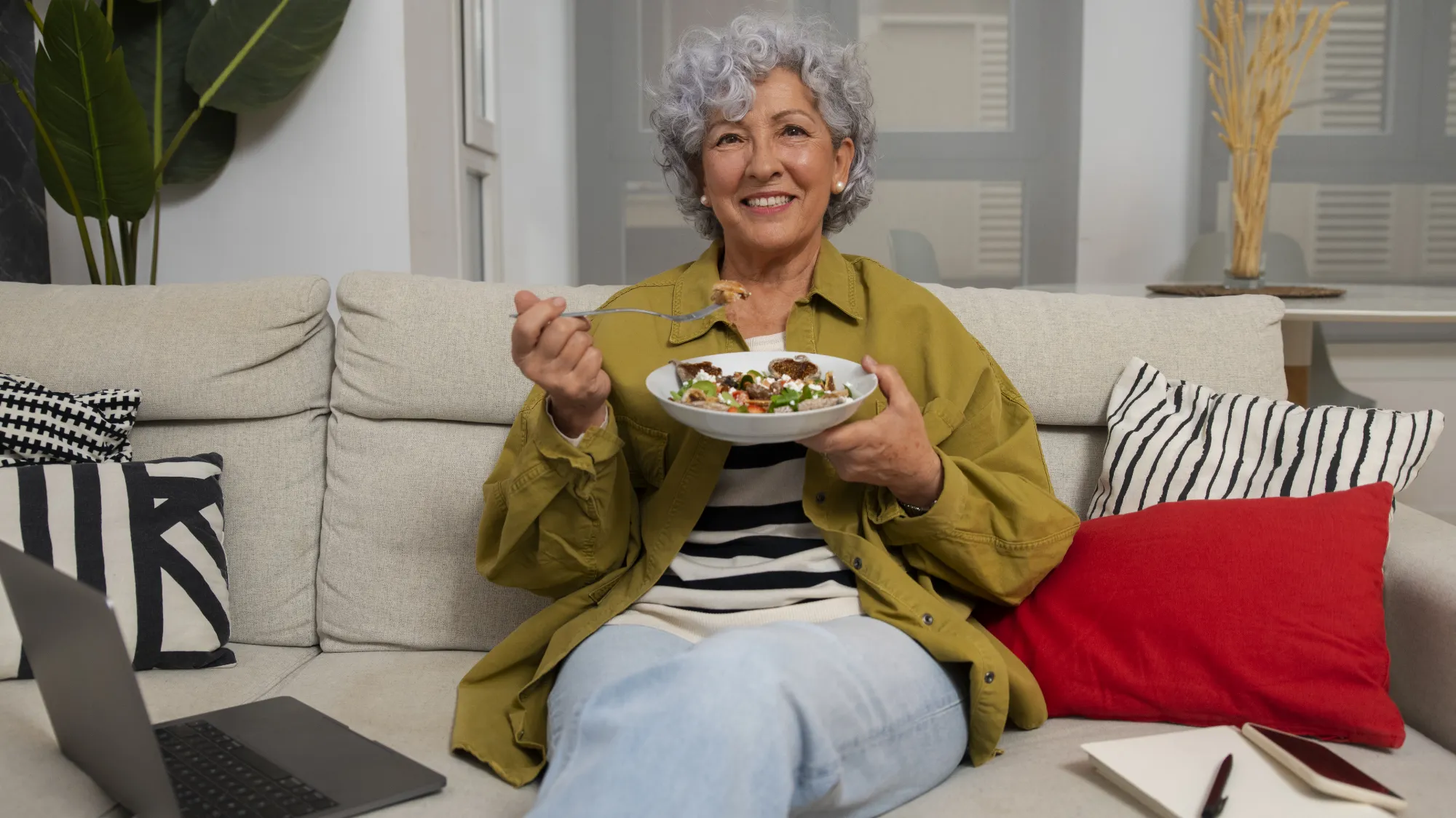
If you still enjoy a good dinner but no longer want to plan it, shop for it, cook it, and clean up afterward, you are not alone.
Cooking is more than the few minutes a pan spends on the stove. It begins with deciding what to eat. Then there is checking the refrigerator, making a list, going to the store, carrying groceries, chopping ingredients, timing the meal, and washing everything afterward. A task that once felt routine can start to feel like a poor use of your time and energy.
Often, this means the routine no longer fits your life, energy, or household. It is not a sign that you have become lazy or stopped caring about yourself or your family.
The important question is whether you have lost interest only in cooking or whether other changes are happening too. This article will help you tell the difference, make meals easier, and recognize when it is time to speak with a health professional.
Losing interest in cooking is different from losing interest in eating
Start with a simple question: If someone placed a meal you like in front of you, would you want to eat it?
If the answer is yes, the problem may be the work around the meal rather than the food itself. You may be tired of making decisions, cooking for a smaller household, standing at the counter, or cleaning up.
If the answer is no, pay closer attention. A lower appetite, trouble chewing or swallowing, a major change in taste or smell, or unintended weight loss deserves a conversation with a health care professional. Some medicines and health conditions can affect appetite, dry mouth, taste, smell, and energy. A doctor or pharmacist can review those possibilities with you.
You do not need to figure out the cause on your own. Notice what has changed and bring any concerns to a health care professional.
Why cooking may feel different now
There is rarely one explanation. Several small changes can make dinner feel harder than it used to.
The work may no longer feel worth the result
Cooking for one or two people can feel very different from cooking for a full household. A large family meal once had a purpose, a rhythm, and people waiting at the table. When the household becomes smaller, the same amount of planning and cleanup may produce fewer meals and less enjoyment.
A smaller household may call for smaller recipes, fewer courses, and more leftovers.
Your energy or comfort may have changed
Standing, lifting a heavy pan, opening jars, reaching into cabinets, and chopping firm foods all require effort. Arthritis, reduced stamina, pain, balance concerns, or recovery from an illness can turn an ordinary recipe into a long project.
The National Institute on Aging notes that physical conditions can make cooking and eating more difficult. It also suggests that a doctor may recommend an occupational therapist, who can help with kitchen setup, utensils, and safer ways to prepare food.
Planning can be more tiring than cooking
Many people say they are tired of cooking when they are really tired of managing dinner. The repeated questions wear them down: What should I make? Do I have the ingredients? Will this work with my dietary needs? What will I do with the leftovers?
Removing even one of those decisions can make a real difference.
Food may smell or taste different
Smell contributes a great deal to flavor, and smell problems become more common with age. Dental issues, dry mouth, illness, and some medicines may also change the way food tastes, according to the National Institute on Deafness and Other Communication Disorders.
Do not assume that a change in taste or smell is simply part of getting older. Mention it to a health care professional, especially if the change was sudden or significant. If your sense of smell is reduced, do not depend on it for safety. Keep smoke and carbon monoxide alarms working, and have suspected gas leaks checked promptly.
Meals may feel lonely
For many people, eating is tied to conversation and company. After a spouse or partner dies, family moves away, or a regular routine ends, preparing a full meal may feel less appealing.
The National Institute on Aging suggests sharing potluck meals, cooking with a friend, eating at a senior or community center, or using a food delivery service. The best answer is the one that fits your life and gives you something to look forward to.
A quick check before you change your routine
Ask yourself these questions:
Do I still look forward to foods I enjoy?
Am I eating regular meals and drinking enough fluids, unless a clinician has told me to limit fluids?
Has my weight stayed fairly steady?
Did my interest in cooking fade gradually, or did it change suddenly?
Am I losing interest in other activities I usually enjoy?
Can I afford and obtain food, open packages, prepare meals, and use my kitchen safely?
Am I having trouble with dentures, oral pain, vision, chewing, swallowing, remembering recipes, or managing appliances?
If you still enjoy eating, have no concerns about swallowing, mood, memory, strength, or kitchen safety, and the change is mainly about meal preparation, trying a simpler routine may be reasonable. Keep noticing changes in your intake, weight, strength, and daily routine.
Contact a health care professional if even one answer concerns you, particularly unintended weight loss, swallowing difficulty, new confusion, or problems using the kitchen safely. A family member, friend, or caregiver can help you prepare questions or join the appointment if you would find that useful.
Seven ways to make meals easier
You do not have to choose between cooking a full dinner every night and never cooking again.
1. Simplify what counts as a meal
A satisfying meal can be simple. As a flexible starting point, try building dinner from a few parts:
A protein-rich food you enjoy, such as eggs, fish, chicken, beans, yogurt, tofu, or cottage cheese
A fruit or vegetable, including frozen or pre-cut options
A grain or starchy food, such as whole-grain bread, brown rice, oatmeal, corn, potatoes, or pasta
Your needs may differ if you have diabetes, kidney disease, heart disease, swallowing difficulties, food allergies, a low appetite, unintended weight loss, or another medical condition. Follow the plan you developed with your health care professional or registered dietitian.
2. Keep useful shortcuts in the house
Convenience foods can support a balanced meal. Frozen vegetables, bagged salad, canned beans, tuna, rotisserie chicken, microwavable grains, soup, fruit, yogurt, and whole-grain bread can reduce preparation.
Read the Nutrition Facts label when you compare packaged foods. Pay attention to serving size and the nutrients your health care professional has asked you to watch. The FDA advises older adults to look more often for a higher percent Daily Value of fiber, vitamin D, calcium, and potassium, and a lower percent Daily Value of saturated fat, sodium, and added sugars. Individual needs can vary.
3. Cook once and plan to eat twice
If you still enjoy cooking occasionally, make enough for another meal. Portion the extra food before you sit down so tomorrow’s dinner is already handled.
Food safety matters. USDA guidance says to refrigerate perishable leftovers in shallow containers within two hours, or within one hour when the temperature is above 90°F. Keep the refrigerator at 40°F or below. Eat or freeze refrigerated leftovers within three to four days. Reheat them to 165°F, and use a food thermometer rather than relying only on appearance or smell. The FDA explains that adults 65 and older have a higher risk of hospitalization and death from foodborne illness.
4. Divide the job
If you live with someone, one person does not need to own the entire meal. One can choose the menu while the other shops. One can heat the main dish while the other prepares fruit or salad. Cleanup can belong to whoever did not cook.
If friends or family want to help, give them a specific job. “Could you bring me two portions of the soup you make?” is easier to act on than “I may need help sometime.”
5. Make the kitchen easier on your body
Sit at a table for tasks that do not require standing. Store frequently used items between waist and shoulder height. Choose lighter cookware, pre-cut ingredients, easy-open containers, and appliances with controls you can read clearly.
If pain, weakness, tremor, vision, or balance is making the kitchen difficult, ask a health care professional whether an occupational therapist could help. Small changes to the workspace can protect both energy and independence.
6. Put company back into mealtime
Invite a neighbor for lunch, trade meals with a friend, attend a community meal, or schedule a regular dinner with family. A regular shared meal can add company and routine.
If getting out is difficult or money is tight, the federal Eldercare Locator can connect you with local senior meal programs and other services. Visit the website or call or text 1-800-677-1116.
7. Use prepared meals as part of the plan
Prepared meals can cover the days when shopping, cooking, or cleanup feels like too much.
Look for a service that lets you choose your meals, provides ingredient and nutrition information, gives clear storage and heating directions, and does not force you into more food than you need. Compare the full cost, including delivery charges. Review calories, protein, sodium, portion size, allergens, and dietary options that matter to you. When meals arrive, confirm that chilled food is cold, refrigerate it promptly, and follow the use-by and heating instructions.
Check whether someone can order by phone or place an order for you if online ordering is inconvenient.
A note about Meal Village
At Meal Village, we prepare fresh, chilled meals for customers in Chicago and many surrounding suburbs. Meals arrive fully cooked and ready to heat. Check current service details and delivery availability for your ZIP code when ordering.
Try a flexible week instead of a perfect week
A realistic plan might look like this:
Monday: eggs, toast, and fruit
Tuesday: a meal you cook, with an extra portion for Wednesday
Wednesday: leftovers
Thursday: bean or chicken soup, salad, and whole-grain bread
Friday: a prepared meal
Saturday: dinner with family, friends, or a community group
Sunday: the easiest balanced option from the list above
Use the schedule as a starting point, then keep the options that reduce decisions and work well for you.
When to speak with a health professional
Losing interest in cooking by itself is not a diagnosis. Sometimes, however, a change around meals is an early clue that something else needs attention.
Make an appointment with a doctor, dentist, pharmacist, registered dietitian, or another qualified health professional if you notice:
Unintended weight loss or clothes becoming noticeably looser
A sudden or continuing loss of appetite
New or worsening trouble swallowing, coughing or choking with food or drink, or a wet-sounding voice after meals
A major change in taste or smell
New weakness, dizziness, or exhaustion that interferes with meals
New confusion with familiar recipes or difficulty using kitchen appliances safely
Low mood or loss of interest in several activities, especially when it lasts more than two weeks
Concerns about a medicine affecting appetite, taste, dry mouth, or energy
Depression is not a normal part of aging, and it can look different in older adults. The National Institute on Aging recommends speaking with a doctor when several symptoms, such as loss of interest, sleep changes, fatigue, difficulty concentrating, or changes in eating, last more than two weeks.
When to seek urgent help
Call 911 or local emergency services for choking or trouble breathing, sudden confusion, sudden one-sided weakness, fainting, or sudden severe weakness. Seek urgent medical help if you cannot swallow liquids or saliva. Seek immediate help for thoughts of self-harm. Do not wait two weeks when symptoms are severe, sudden, or dangerous.
You can care for yourself without cooking every meal
Food still matters. Your health still matters. The way dinner reaches your table can change.
After years of planning and preparing meals, you may want a different routine. You can cook when you enjoy it, accept help when it is offered, keep simple foods on hand, eat with other people when you can, and use prepared meals when they make life easier.
You do not need to handle every step yourself. Aim for regular meals, foods that support your needs, and a routine you can manage.