

Too Tired to Meal Plan? 7 Easier Ways to Eat Well After 65
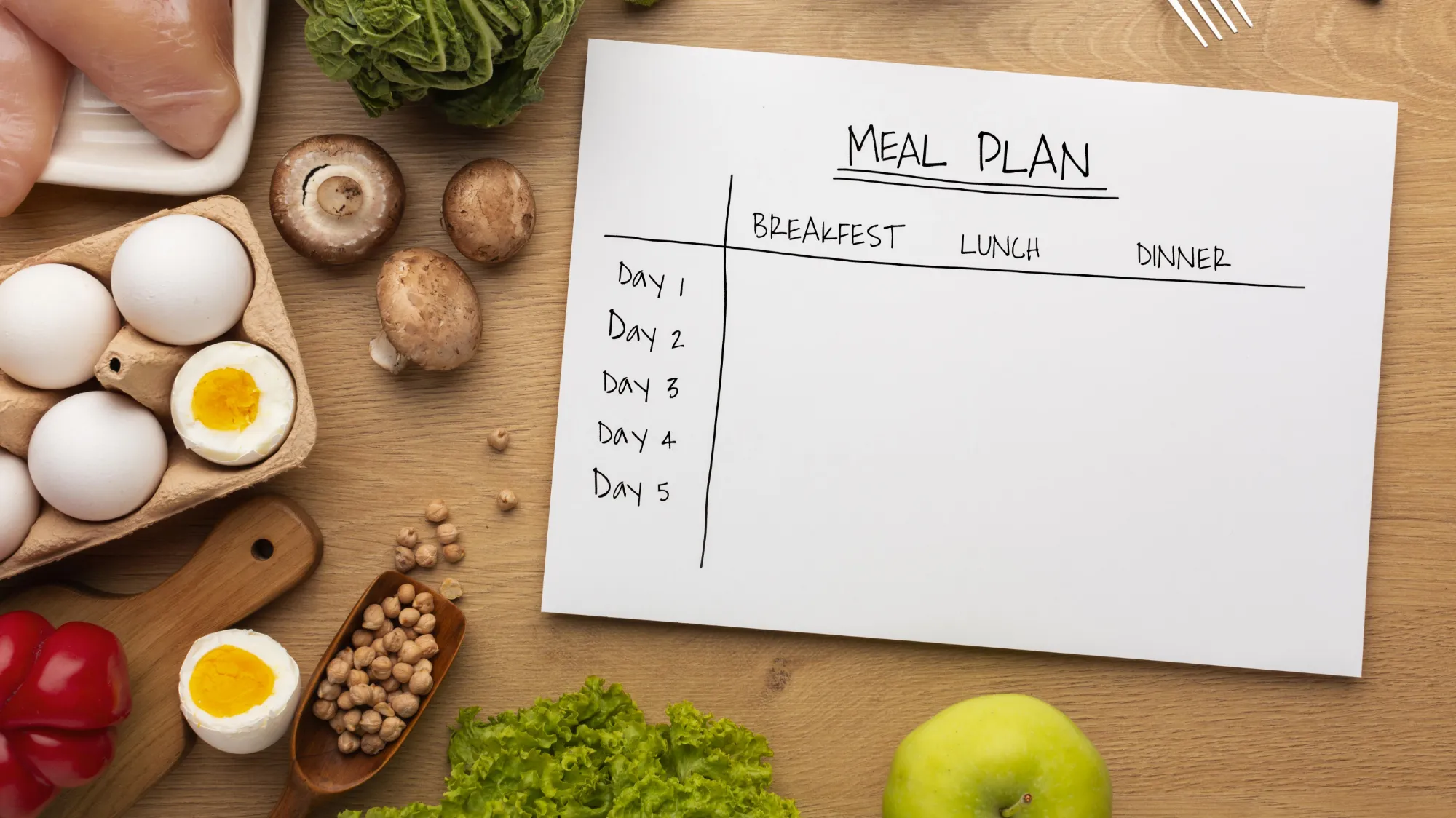
Some weeks, planning dinner feels harder than making it.
You may be shopping for one or two people now, but the decisions have become more complicated. One person is watching sodium. Another needs softer foods. Your appetite changes from day to day. Your hands may hurt, standing at the stove may be tiring, and a recipe that serves six creates more leftovers than you want.
At Meal Village, our team hears versions of this story all the time. It does not mean you have stopped caring about good food. It means the old routine no longer fits your life.
You do not need a perfect seven-day plan to eat well. A better goal is to keep several easy options within reach, then choose the one that works for you that day. Here are seven practical ways to do that.
1. Create an easy-meal zone
Choose one area of your pantry, one refrigerator shelf, and a small section of your freezer for foods that need little or no preparation. Think of it as your answer to the question, "What can I eat when I do not feel like cooking?"
Good choices depend on your health needs and what you enjoy. A few possibilities are:
No-salt-added canned beans
Tuna or salmon pouches
Lower-sodium soup
Unsweetened oatmeal
Whole-grain crackers
Peanut butter or another nut butter
Yogurt or cottage cheese
Pre-cut fruit
Frozen vegetables that can be heated in the bag
Hard-cooked eggs, refrigerated for up to one week
Cooked chicken, refrigerated promptly and used within three to four days
Before buying, look at the serving size and Nutrition Facts label. If your clinician has asked you to limit sodium, added sugar, saturated fat, potassium, or another nutrient, compare products and choose the one that fits your instructions. A label can guide you, but it cannot replace advice that is specific to your health.
If you have trouble swallowing, use only the food and liquid textures recommended by your healthcare provider or speech-language pathologist. A food marketed as "soft" is not automatically safe for every swallowing problem.
The important part is that these foods are easy to see and easy to reach. If arthritis makes jars difficult to open, choose pull-top cans or pouches. If bending is uncomfortable, place your most-used items between waist and shoulder height.
2. Use a simple plate pattern instead of a recipe
A meal does not have to follow a recipe to be satisfying. On low-energy days, build a plate from three simple parts:
A protein food
A fruit or vegetable
A grain or starchy food, if it fits your needs
That might be yogurt with fruit and oatmeal. It could be no-salt-added beans with microwaved vegetables and brown rice. Another day, it might be cooked chicken, applesauce, and a baked sweet potato.
This is a guide, not a rule. Older adults often need nutrient-rich foods even when they are eating smaller portions. Protein foods include eggs, fish, poultry, beans, lentils, yogurt, cottage cheese, tofu, and nut butters. Fruits and vegetables can be fresh, frozen, or canned. Choose textures that are comfortable for you.
Keep a short list of five combinations you like on the refrigerator. You will not have to search for a recipe or make a new decision every evening.
3. Cook extra only when you feel like cooking
Traditional meal prep can turn Sunday into a day of work. There is an easier version: when you are already cooking something you enjoy, make two or three extra portions.
Soups, stews, casseroles, cooked grains, beans, meatballs, and many cooked vegetables freeze well. Divide the extra food into single-meal containers so you can heat only what you need. Write the name and date on each container. If two people in the home have different dietary needs, add the person's name too.
Food safety deserves extra attention after age 65 because foodborne illness is more likely to become serious. USDA food-safety guidance says to refrigerate perishable food within two hours, or within one hour when the temperature is above 90°F. Divide large amounts into shallow containers and keep the refrigerator at 40°F or below. Use or freeze most cooked leftovers within three to four days. Reheat homemade leftovers to 165°F, checking with a food thermometer. For commercially prepared meals, follow the package's storage and reheating directions.
Your freezer does not need to be full. Three labeled meals can be enough to carry you through a difficult week.
4. Keep a few fully prepared meals on hand
Prepared meals can be useful without replacing every meal you cook. You might order two dinners for the evenings that are usually hardest, or keep a few heat-and-eat meals for days when shopping and cleanup feel like too much.
When comparing a prepared meal service, ask:
Is the food fully cooked, or will I still need to chop and cook?
Can I see ingredients and nutrition information before ordering?
Are there choices that fit the guidance I received from my doctor or dietitian?
Are the portions right for me?
How long will the meals keep, and how should I reheat them?
Is a subscription required?
Can I order by phone if I prefer not to use an app?
As of July 2026, Meal Village prepares fresh, ready-to-heat meals for customers in Chicago and nearby suburbs. Customers can view nutrition details, choose from options such as lower-sodium, lower-carbohydrate, and softer foods, and order without a subscription or minimum quantity. Those features make it possible to try one or two meals before deciding whether the service belongs in your routine. Delivery areas, menus, and ordering terms can change, so confirm the current details before ordering.
Whatever service you choose, check the actual nutrition information for each meal. A category such as "low sodium" or "low carb" is helpful for browsing, but your own medical instructions should make the final decision.
5. Look into local senior meal programs
Many communities offer meals for adults age 60 and older through senior centers, community organizations, and home-delivered meal programs. Programs supported through the Older Americans Act may offer meals in a group setting, meals delivered to eligible homebound adults, or both.
Eligibility, schedules, menus, suggested contributions, and waiting lists vary by location. Some programs can accommodate certain dietary needs, while others cannot. Call before visiting and ask what is available in your area.
The federal Eldercare Locator can connect you with local meal and nutrition services. Search by ZIP code at eldercare.acl.gov, or call or text 1-800-677-1116.
A community lunch can also give you a reason to get out of the house and share a table with other people. If transportation is difficult, ask the local program whether rides or home delivery may be available.
6. Make meals easier to eat, not just easier to cook
Convenience does not help if the food is uncomfortable to chew or unappealing.
For mild chewing discomfort, softer choices may include scrambled eggs, flaky fish, yogurt, oatmeal, soups, stewed vegetables, mashed beans, tender meat with gravy, and soft fruit. Adding a sauce or broth can make some foods easier to manage. If your appetite is small, try a modest portion and keep another easy snack available for later.
Changes in taste or smell, dry mouth, dental problems, and some medicines can affect appetite. Lemon juice, herbs, spices, or vinegar may add flavor without adding more salt. If a new medicine changes your appetite or the way food tastes, mention it to your doctor or pharmacist.
Trouble swallowing is different from ordinary chewing difficulty. Coughing or choking during meals, a wet-sounding voice after eating, or a feeling that food is stuck deserves professional attention. Ask your healthcare provider or speech-language pathologist for guidance before changing food textures or using thickened drinks on your own.
7. Build a flexible routine, not a strict schedule
The best solution is often a mix. You may cook on a day when you have energy, eat at a senior center once a week, use a prepared meal on a busy evening, and rely on your easy-meal zone when plans change.
A flexible week might look like this:
Two meals you cook and enjoy
Two prepared or delivered meals
One community meal
One freezer meal
One easy plate assembled from foods already at home
This is not a schedule you have to obey. It is simply a reminder that dinner can come from more than one place. If Tuesday becomes a difficult day, move the easy meal to Tuesday. If you feel like cooking on Friday, cook then and freeze an extra portion.
You can also make the routine easier for someone else to support. Keep your favorite foods, dietary instructions, delivery information, and emergency contacts in one easy-to-find place. A trusted family member, friend, neighbor, or caregiver can help without having to guess what you like or what you are supposed to avoid.
A quick food check before you eat
You do not need to count every nutrient at every meal. These questions are a useful quick check, not a complete nutrition assessment:
Is there a protein food?
Is there a fruit or vegetable?
Does this fit the medical guidance I have been given?
Has it been stored and reheated safely?
Have I had something to drink, unless my healthcare professional has told me to limit fluids?
Some meals will be more complete than others. Look at the day as a whole and aim for variety over time.
When to ask for help
Contact a healthcare professional if you are losing weight without trying, regularly skipping meals, having trouble chewing or swallowing, or feeling too tired to eat. Your doctor can look for a cause, and a registered dietitian nutritionist can recommend an approach that fits your health conditions.
If you are no longer sure you can manage meals and medicines safely, ask a trusted person and your doctor or pharmacist for prompt help. Sudden confusion can be an emergency. Call 911 if confusion comes on suddenly.
If cost, transportation, or shopping is the main obstacle, contact the Eldercare Locator or your local Area Agency on Aging. Asking about assistance is a practical step, not a loss of independence.
Start with one easier meal
You do not have to fix breakfast, lunch, and dinner all at once. Choose the meal that causes the most stress.
Put three easy foods where you can reach them. Freeze one extra serving the next time you cook. Try a community lunch. Order one prepared meal and see how it fits. A small backup can make the entire week feel lighter.
I started Meal Village around a simple idea: eating well at home should not require hours of planning, shopping, cooking, and cleanup. You deserve meals that fit your life now, along with the freedom to cook when you want to and accept help when you do not.
If you live in the Chicago area, you can explore Meal Village's fresh, ready-to-heat meals and current delivery options at mealvillage.com.